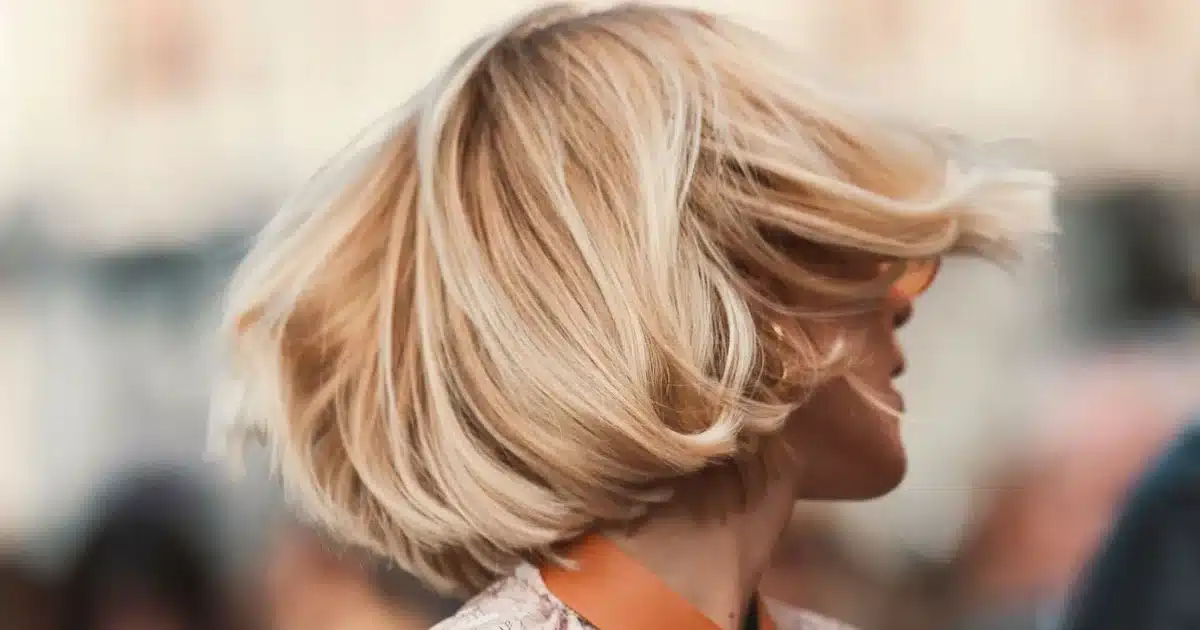
The classic bob is losing ground. For spring 2026, studio hairdresser Pierre Ginsburg identifies three dominant techniques reshaping the season: front layering, invisible graduation, and soft natural texture. The shift is clear — movement and softness are replacing geometry and control.
Something is changing in salons right now. The requests coming through Pierre Ginsburg's chair are telling a consistent story: clients want hair that looks alive, not sculpted. The rigid precision of the classic bob, the blow-dried-straight aesthetic, the high-contrast blonde — all of it is quietly stepping aside for something more fluid and personal.
And the timing makes sense. Spring has always been the season of renewal, and spring 2026 is shaping up to be the moment when low-maintenance, movement-forward cuts finally take over from the polished, high-effort styles that dominated recent years.
Front layering is the cut redefining spring 2026
If there's one technique Ginsburg points to above the rest, it's front layering. Unlike traditional layering that distributes graduation throughout the entire cut, front layering concentrates the layers exclusively on the sections closest to the face. The result is a frame — not a full restructure.
Front layering can be added to your existing cut without changing the overall length — making it one of the most low-commitment seasonal refreshes available this spring.
What makes this technique particularly versatile is how it adapts to different hair types. For fine hair, front layering creates an illusion of volume without adding bulk. For thick hair, it removes visual weight at the front while preserving density at the back. For textured and wavy hair, it encourages natural movement to form around the face rather than fighting against the cut's structure.
Front layering paired with a long fringe
When front layering is combined with a long fringe, the face-framing effect intensifies significantly. The fringe and the forward layers work together to soften angles and draw attention to facial features rather than the hair's geometric outline. This combination is one of the more requested variations Ginsburg sees in his salon currently, and it's easy to understand why — the effect is flattering across a wide range of face shapes without requiring dramatic length changes.
Why the classic bob is losing relevance
The classic bob, with its precise geometric lines and absence of movement, sits at the opposite end of this spring's aesthetic direction. Ginsburg is direct about it: cuts that are too rigid, too controlled, and too reliant on a blow-dryer to look intentional are fading out. Long hair without structure or layering is similarly losing ground. The common thread is stiffness — any style that requires significant effort to maintain its shape is being replaced by cuts that move naturally and look good with minimal intervention. Just as a well-cut off the shoulder top flatters effortlessly through its structure, the best spring cuts this year work with the body — or in this case, the hair's natural texture — rather than against it.
Invisible graduation brings lightness without visible structure
The second major technique Ginsburg highlights is the invisible graduation, sometimes called a dégradé invisible. The principle is straightforward: graduation is worked underneath the surface of the hair, creating internal movement and lightness without any visible layering on the outside.
This is particularly relevant for anyone who has avoided layers out of fear of losing density. The invisible graduation preserves the appearance of full, thick hair while eliminating the heaviness that can make dense hair feel unmanageable. The movement is there — you can feel it when the hair shifts — but the surface remains smooth and visually intact.
Invisible graduation is the answer for clients who want lighter, more dynamic hair without sacrificing the look of volume or density.
Soft textures and bespoke color define the season's full picture
Free textures and gentle waves
The third trend Ginsburg identifies for spring 2026 is less a specific technique and more a general aesthetic shift: free textures and soft waves. Content creator Kim Wolff (@itstherealkimshady on TikTok) has been amplifying exactly this direction, and the platform is full of examples of natural movement being celebrated over controlled, polished finishes. The blow-dried-straight look — which required significant time and product to achieve — is being replaced by styles that embrace the hair's natural behavior. Waves, soft bends, and lived-in texture are the new baseline.
This shift also connects to a broader change in how people approach their overall look. Beyond hair, Ginsburg notes that the full aesthetic — nails, skin, fragrance — is evolving in parallel, moving toward a more personal, less trend-dictated expression. The hair is just one piece of a larger move toward individuality.
Reverse balayage and bespoke color contrasts
On the color side, reverse balayage is what Ginsburg describes as "the norm" for this season. Where traditional balayage concentrated lighter tones at the ends, reverse balayage places lighter reflections strategically to mimic the way natural sun exposure works — closer to the roots and around the face, rather than pooling at the tips.
The application varies by base. On brunette hair, reverse balayage introduces delicate highlights that warm the overall tone without creating stark contrast. On blonde hair, the approach shifts toward softer, less saturated shades — moving away from the high-contrast, high-shine blondes that defined previous seasons. The goal across both is what Ginsburg calls bespoke color with subtle sun contrasts: dimension that reads as natural rather than applied.
major spring 2026 trends identified by Pierre Ginsburg: front layering, invisible graduation, free textures, and bespoke color
What ties all four trends together is the way they reinforce each other. Soft waves look richer with color that has dimension. Front layers frame the face more effectively when the hair has natural movement. Invisible graduation allows color to sit more evenly through the lengths. These aren't isolated techniques — they're a coherent seasonal direction, and Ginsburg's salon is already reflecting it. Much like learning how to sew a shirt teaches you that fit and structure work together rather than independently, understanding these hair techniques means recognizing how cut and color are always in conversation. The bob had its moment. Spring 2026 belongs to something softer.